Git commands
What a Git commit stores, drawn as it happens
git commit: taking the snapshot
How to use this page
- slider / ▶Drag the slider, or press play, to watch the command happen. Before and After jump to either end.
- ← → · spaceStep through a multi-step command; space toggles Before / After.
- APlay or pause the loop (the page opens playing). Any manual input takes over.
- hoverA commit shows its message, author, date and parents, with its history highlighted.
- clickCopies the commit sha.
- ctrl + wheelZoom around the cursor (pinch on a trackpad). Double-click resets the view.
- EscStop playback, reset the view, close this menu.
- shareThe Share button copies a link to this graph, copies it as an image, downloads PNG/SVG/page, or posts it. #before, #after or #step=N in the link pins the state.
git-sim visually simulates any Git command in your own repos - from your terminal, IDE, or AI.
Table of Contents
- Introduction
- What is git commit?
- Watch it happen
- Before and after
- What's inside a commit
- Is it safe?
- Useful forms
- How to undo it
- Try it on your repository
- Common questions
- Summary
- Next steps
- Related commands
Introduction
A commit is the unit everything else in Git is built from. Branches point at commits, merges join them, rebase replays them, and the reflog remembers where they were. So it's worth being precise about what one actually is and what git commit does when it makes one.
In this article, we'll:
- Watch
git commitcreate a new commit on a small repository - Check which of our three pending changes made it in and which didn't
- Look at what a commit object contains
What is git commit?
git commit takes the contents of the staging area, writes them into the object database as a tree, and creates a commit object that points at that tree, at the previous commit (its parent), and carries your name, the date and a message. Then it moves the current branch to point at the new commit.
Only what's in the staging area goes in. That's the whole reason git add exists as a separate step.
Watch it happen
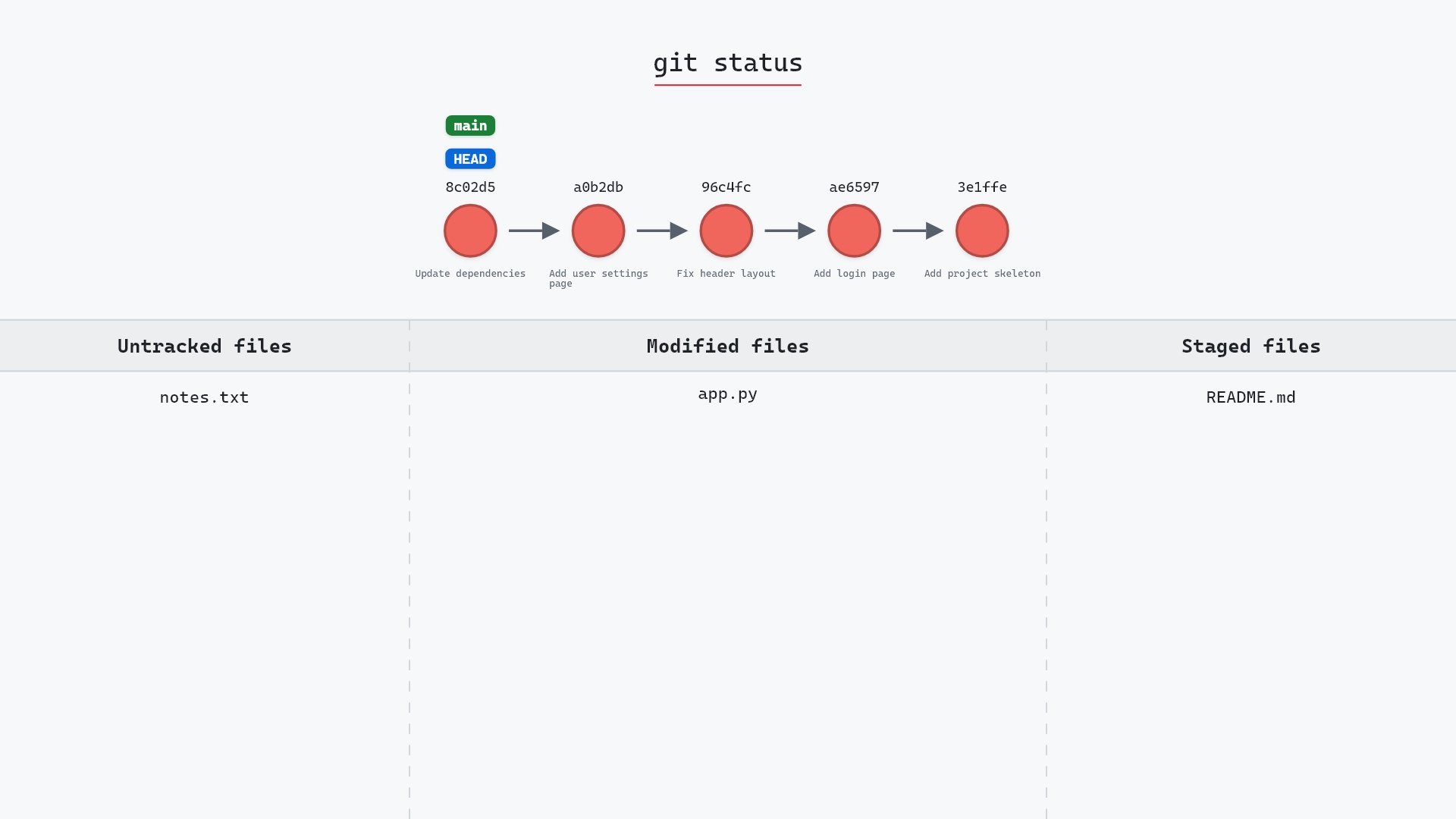
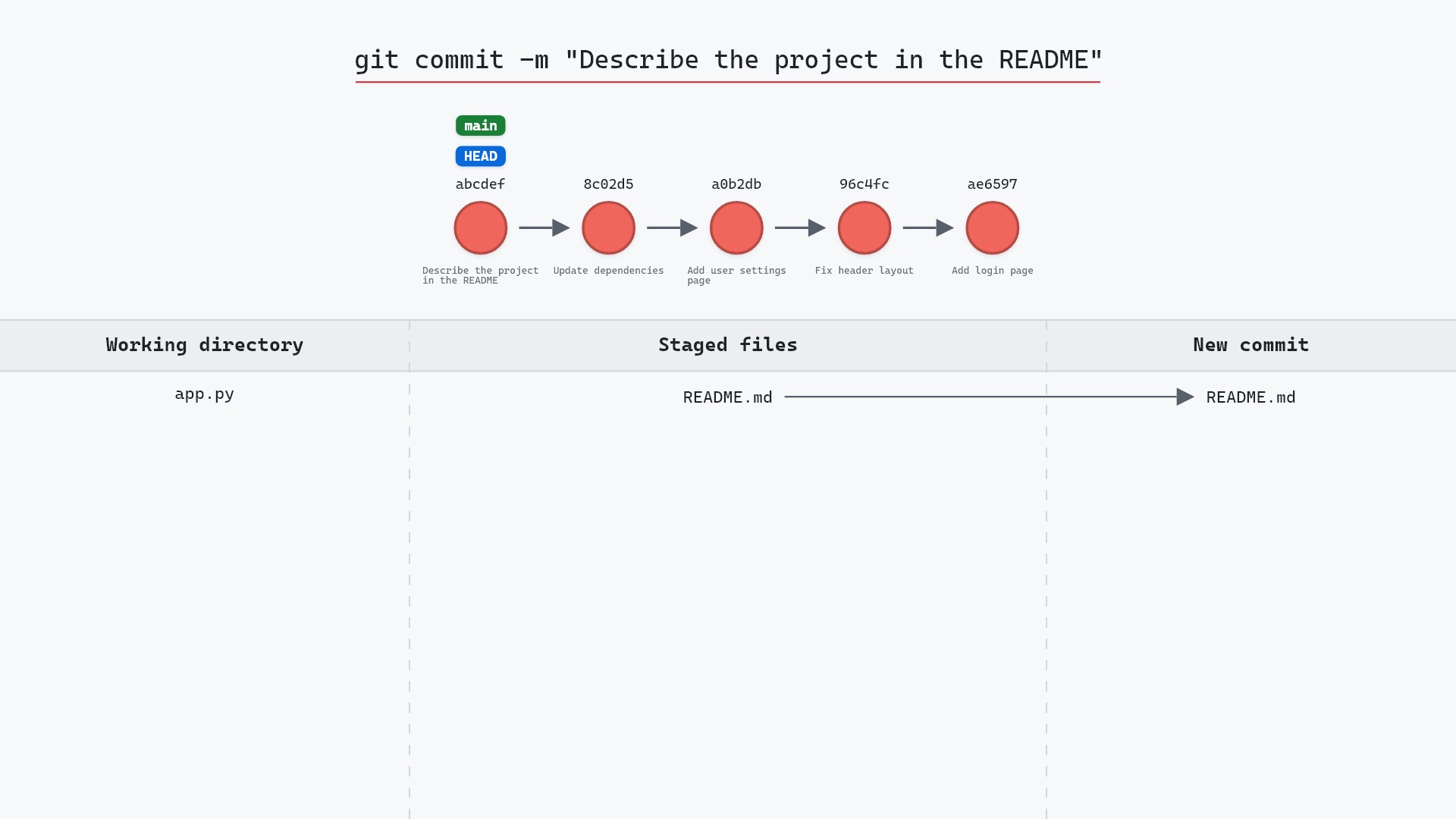
Our sample repo has one file staged, one modified but not staged, one untracked. Here's git commit -m "Describe the project in the README":
- Before:
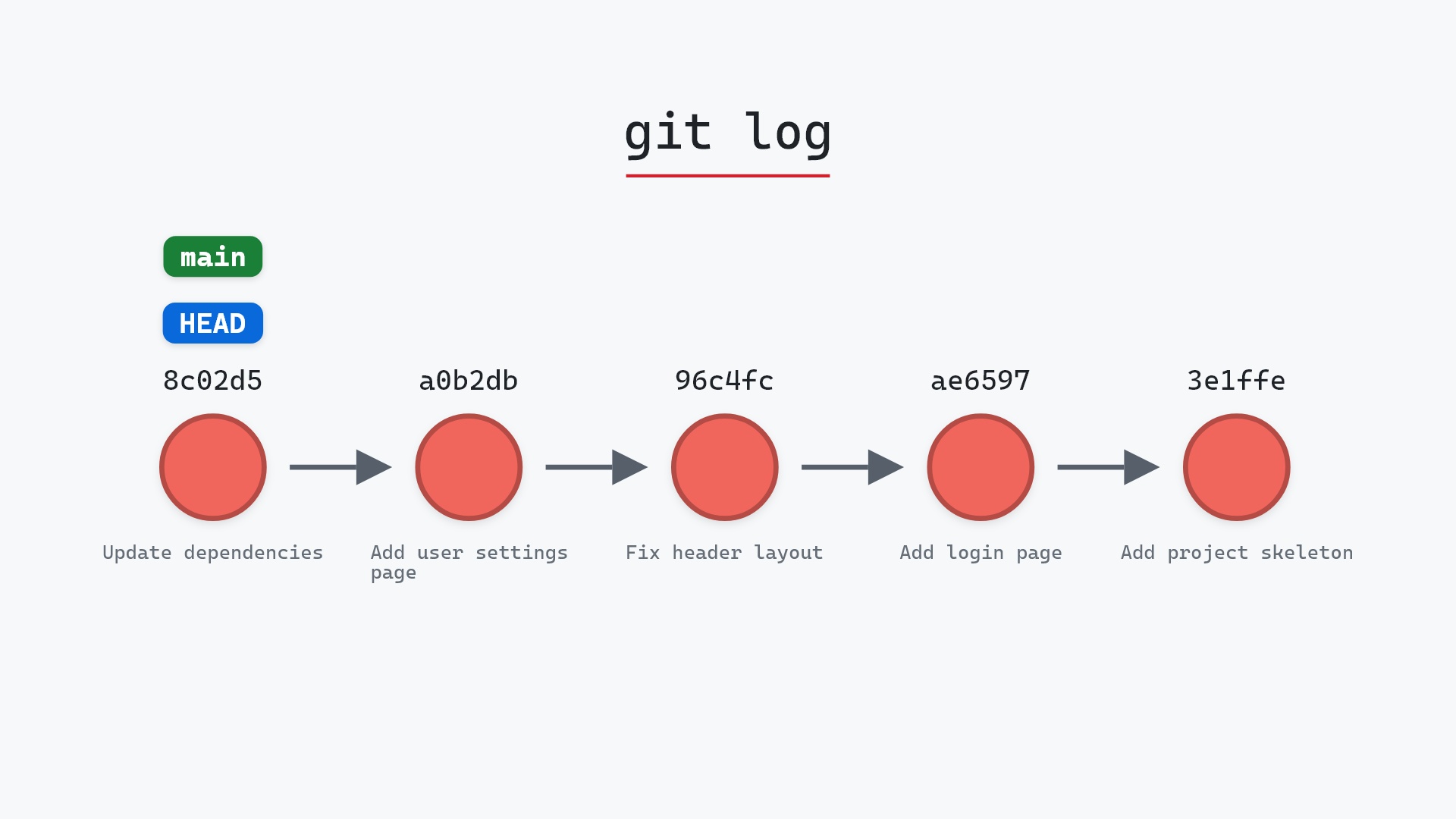
HEADis attached tomainat8c02d5b, withREADME.mdstaged. - Git creates a new commit,
9d76363, from the stagedREADME.md, with the message we gave it and8c02d5bas its parent. mainmoves to the new commit, andHEADmoves with it because it's attached tomain.- The
featurebranch is unaffected. A commit only ever moves the branch you're on.
Before and after
The commit graph gained one commit, 9d76363. Now compare git status before and after:
M  README.md
 M app.py
?? notes.txt
 M app.py
?? notes.txt
Only README.md disappeared from the list, because it was the only staged change. The unstaged edit to app.py and the untracked notes.txt are still sitting in the working directory, exactly as they were.
The raw git output, if you want to read along in text
git log --oneline --graph --all
before
* 1117a34 (feature) Add search tests
* e5869f0 Fix typo in search box
* fc19889 Add search box
| * 8c02d5b (HEAD -> main) Update dependencies
| * a0b2db3 Add user settings page
|/
* 96c4fc2 Fix header layout
* ae65976 Add login page
* 3e1ffe4 Add project skeleton
* 4114b2c Initial commit
after
* 9d76363 (HEAD -> main) Describe the project in the README
* 8c02d5b Update dependencies
* a0b2db3 Add user settings page
| * 1117a34 (feature) Add search tests
| * e5869f0 Fix typo in search box
| * fc19889 Add search box
|/
* 96c4fc2 Fix header layout
* ae65976 Add login page
* 3e1ffe4 Add project skeleton
* 4114b2c Initial commit
what git printed
[main 9d76363] Describe the project in the README
 1 file changed, 3 insertions(+), 3 deletions(-)
What's inside a commit
Run git cat-file -p 9d76363 on the new commit and you get something like this (Pro Git's chapter on Git objects builds one by hand):
tree cb7fb79...
parent 8c02d5b...
author Jacob Stopak <jacob@initialcommit.io> 1714597200 +0000
committer Jacob Stopak <jacob@initialcommit.io> 1714597200 +0000

Describe the project in the README
Four things: a tree (the snapshot of every file), a parent, two identity lines and the message. The hash is computed from all of it, which is why changing any one of them, even a character of the message, produces a different commit. (I wrote about the tree object separately if you want to follow that pointer down.)
Is it safe?
Safe git-sim pre-flight
Creates a new commit; nothing at risk.
commit adds a commit and moves a branch forward by one. It doesn't touch the working directory and it can't remove anything. The only way it surprises people is by not including changes they forgot to stage.
Useful forms
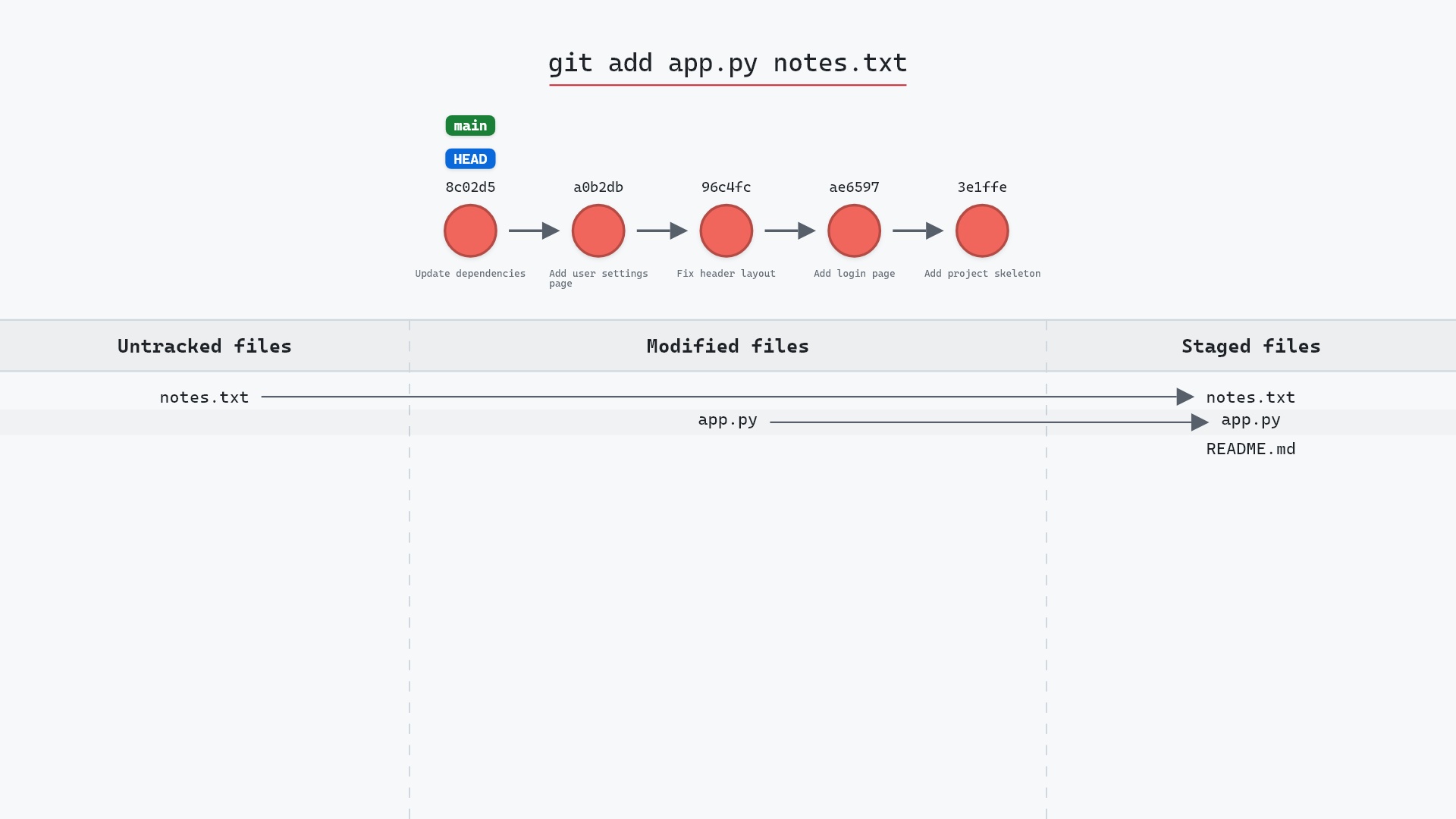
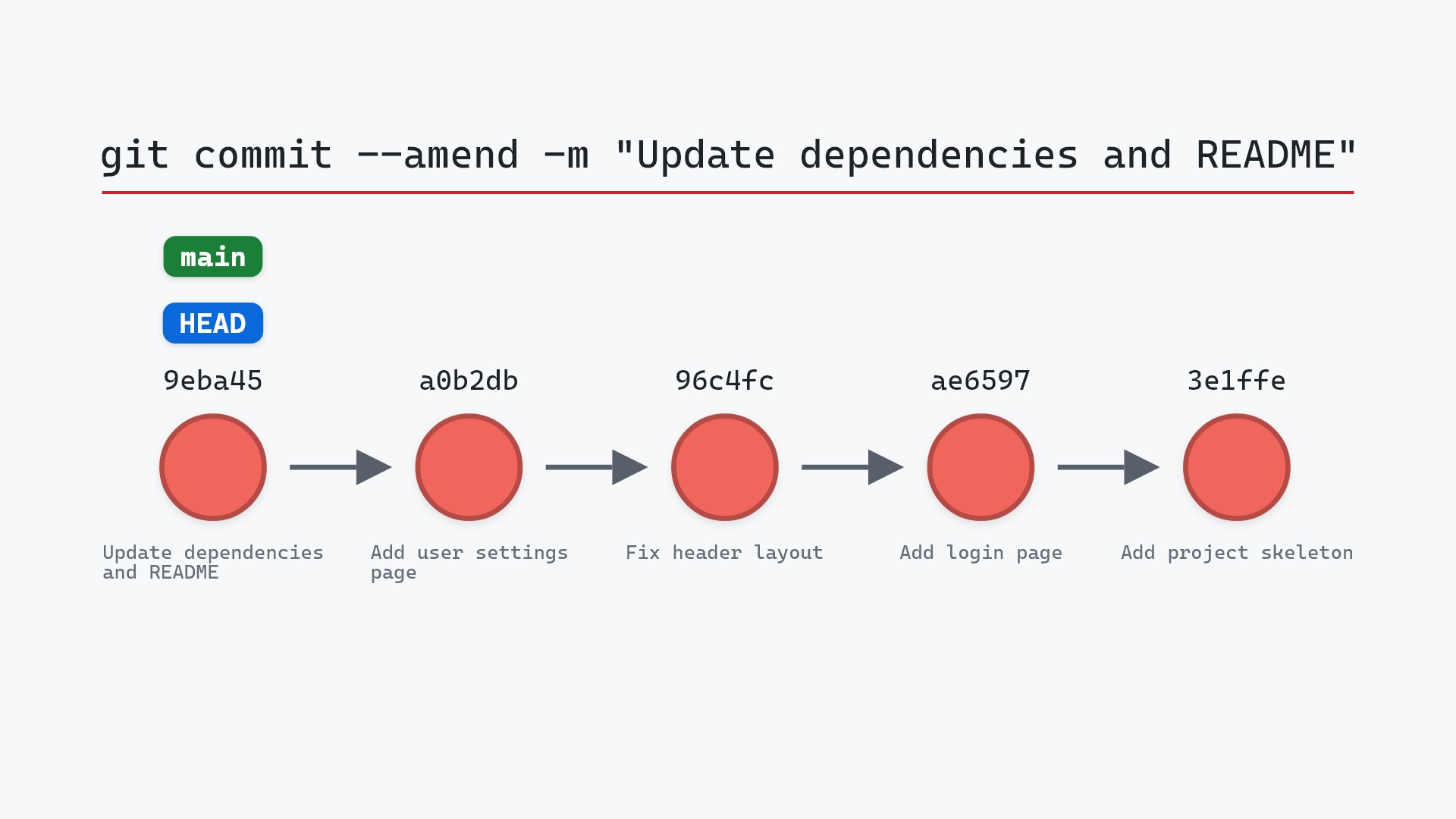
git commit -astages every tracked, modified file first, then commits. New files are still left out.git commit -m "message"gives the message inline instead of opening an editor.git commit --amendreplaces the last commit instead of adding one. It has its own page, because it rewrites history.git commit -vshows the diff in the editor while you write the message. Signing (-S), fixups (--fixup) and the other flags are in the git commit documentation.
How to undo it
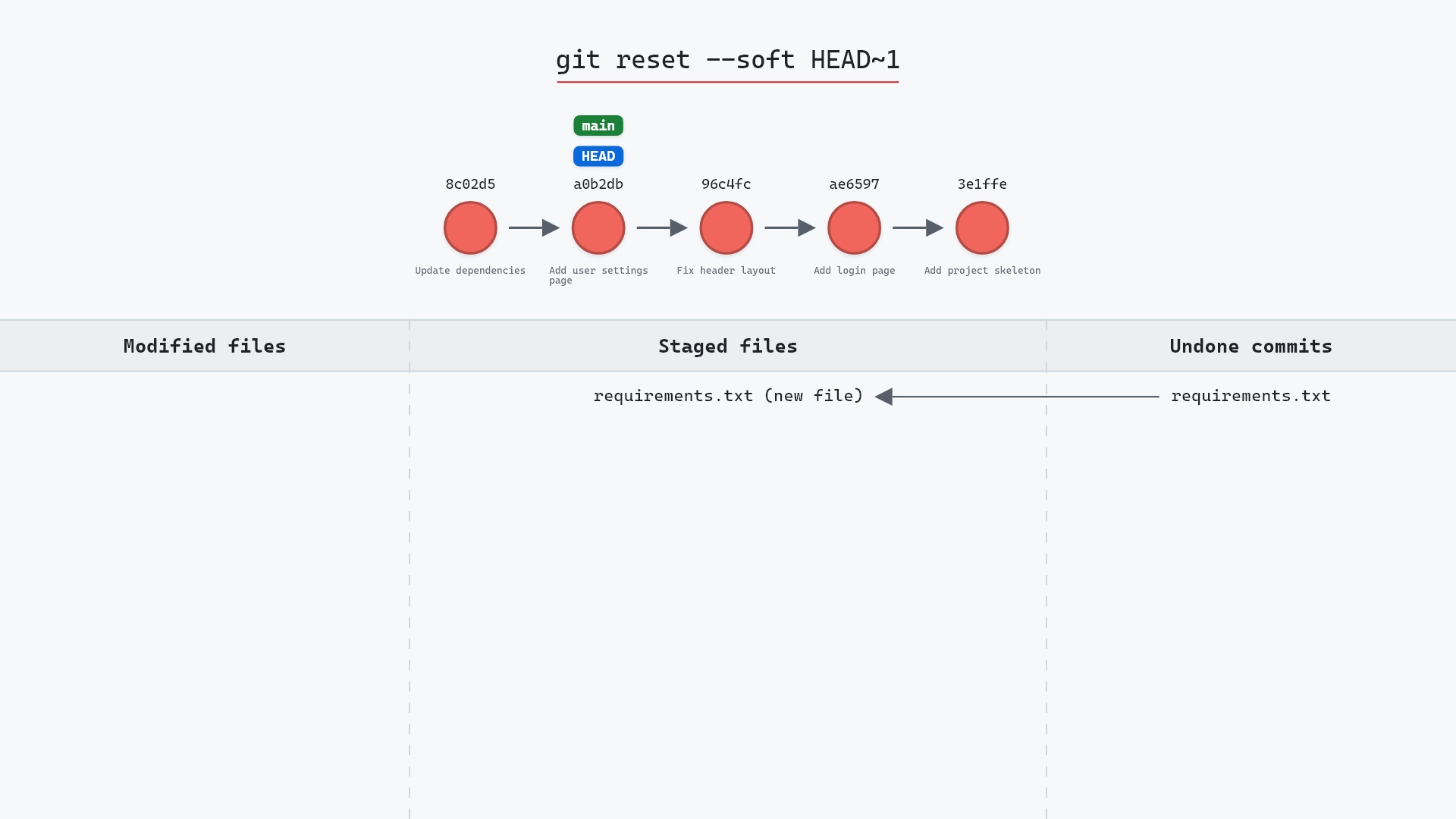
To take the commit back but keep the changes staged:
git reset --soft HEAD~1
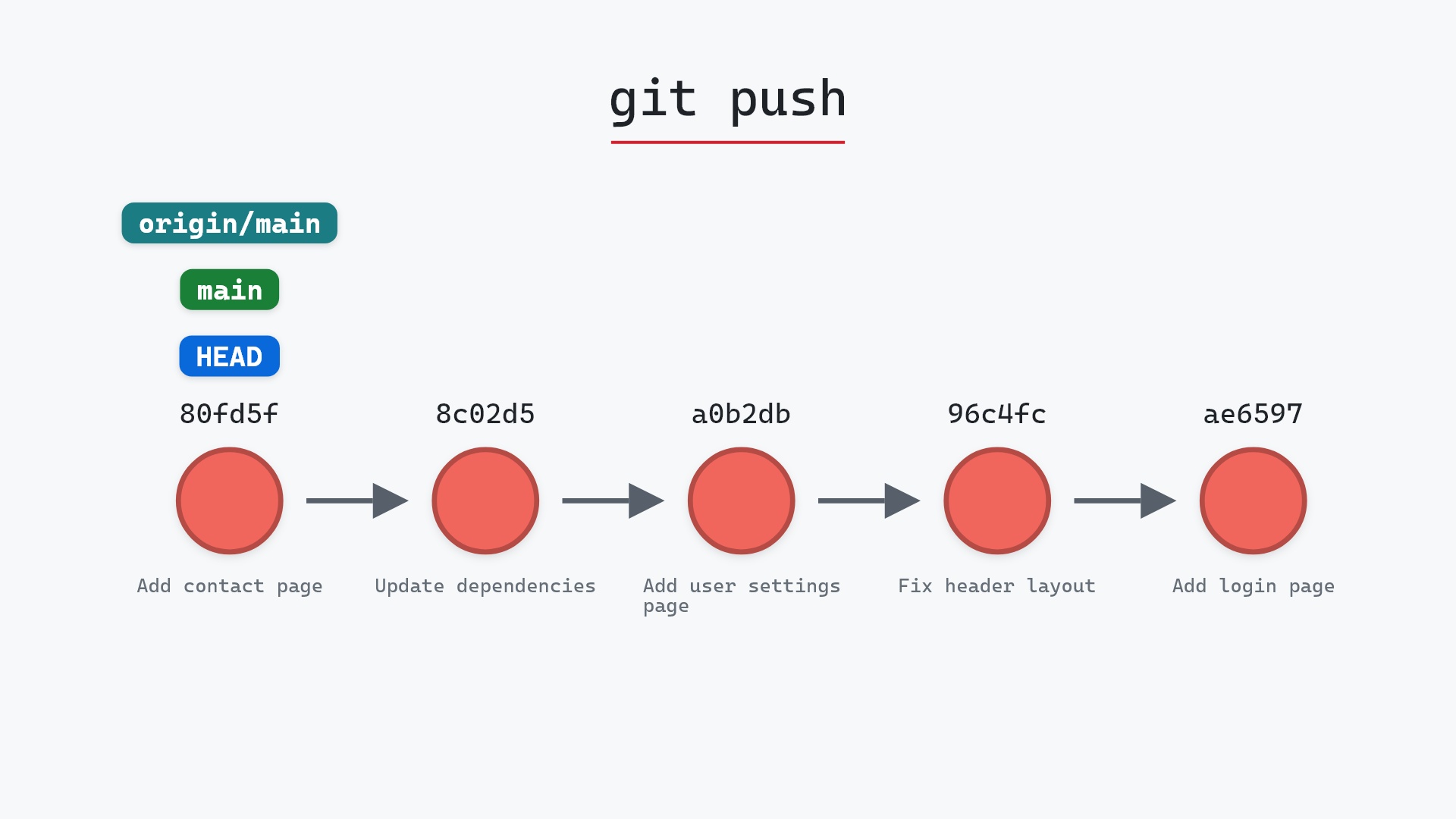
The commit object still exists in .git and in the reflog. Only the main label moved back. If the commit has already been pushed, use git revert instead so you don't rewrite history others have.
Try it on your repository
pip install git-sim
git-sim commit -m "Describe the project in the README"
git-sim shows where the new commit would land and which staged files it would contain, before anything is written.
Common questions
What does git commit do?
It writes the staging area to the object database as a tree, creates a commit object pointing at that tree and the previous commit, and moves the current branch to the new commit.
Does git commit include unstaged changes?
No. Only staged changes are recorded. git commit -a stages modified tracked files first, but never new files.
Can I change a commit message after committing?
Yes, with git commit --amend -m "new message". That creates a replacement commit with a new hash, so do it before pushing.
How do I undo a commit?
git reset --soft HEAD~1 removes it from the branch and keeps the changes staged. git revert <sha> adds a new commit that undoes it, which is the right choice once it has been pushed.
Summary
In this article, we watched git commit create one commit from a single staged file, confirmed that the unstaged and untracked changes stayed behind, and looked at the four things a commit object contains.
Next steps
Read git commit --amend for fixing the commit you just made, and git log for reading the ones before it.
Related commands
- git add, to choose what goes in
- git commit --amend, to fix the last one
- git status, to check what's staged first
- git log, to read the history you're adding to
- git reset --soft, to take a commit back
- git push, to share it